What we’re building at Asylia
One app for the important information in your life. Here is the purpose behind it, and the first things we are focusing on.
You don’t have to organise your whole life in one sitting. Start with the information you would most need to find again.

Most of us already have the information we need. The difficulty is knowing where it is, which version is current, and what we would do if we could not reach it.
A passport copy might be in an email. An insurance policy might be behind a login. A useful phone number might be saved only on one person’s phone. None of that feels particularly urgent on an ordinary day. It becomes harder when the ordinary day changes.
Start with a smaller question: what would I struggle to find or replace?
Pick a situation that feels familiar. It could be getting ready for a trip, gathering the papers for your home, or making sure a trusted person knows who to contact.
For travel, you might begin with a passport copy, travel insurance, and the contact details for the organisations you would call if something went wrong. For your home, you might start with an insurance policy and a record of important belongings. For everyday support, you might start with a short contact list.
The point is to finish one useful piece of preparation. A small collection you understand is easier to maintain than a large folder you have not looked through.
Give documents names you can recognise later. Include enough context to distinguish a current policy from an older one, or a receipt from a different purchase. Keep track of where originals are held when an original may be needed.
Copies can help you find information, but the organisations you deal with decide which documents they accept. Keep their requirements in mind rather than assuming that a photograph or digital copy is always sufficient.
You will probably find something missing, out of date, or difficult to access. Write that down. Knowing there is a gap is useful progress; it gives you a specific next step.
It may be as simple as asking for a current policy document, updating a contact number, or finding out where an original is kept. Avoid turning every missing item into something you have to solve immediately.
Return to your collection when something changes: a move, a new policy, a trip, or a change in the people who help you. A document collection only helps when it still reflects your life.
The American Red Cross includes identification, insurance papers, and medical records among the important documents to consider in its hurricane preparedness guidance. Your own circumstances will determine what belongs in your collection.
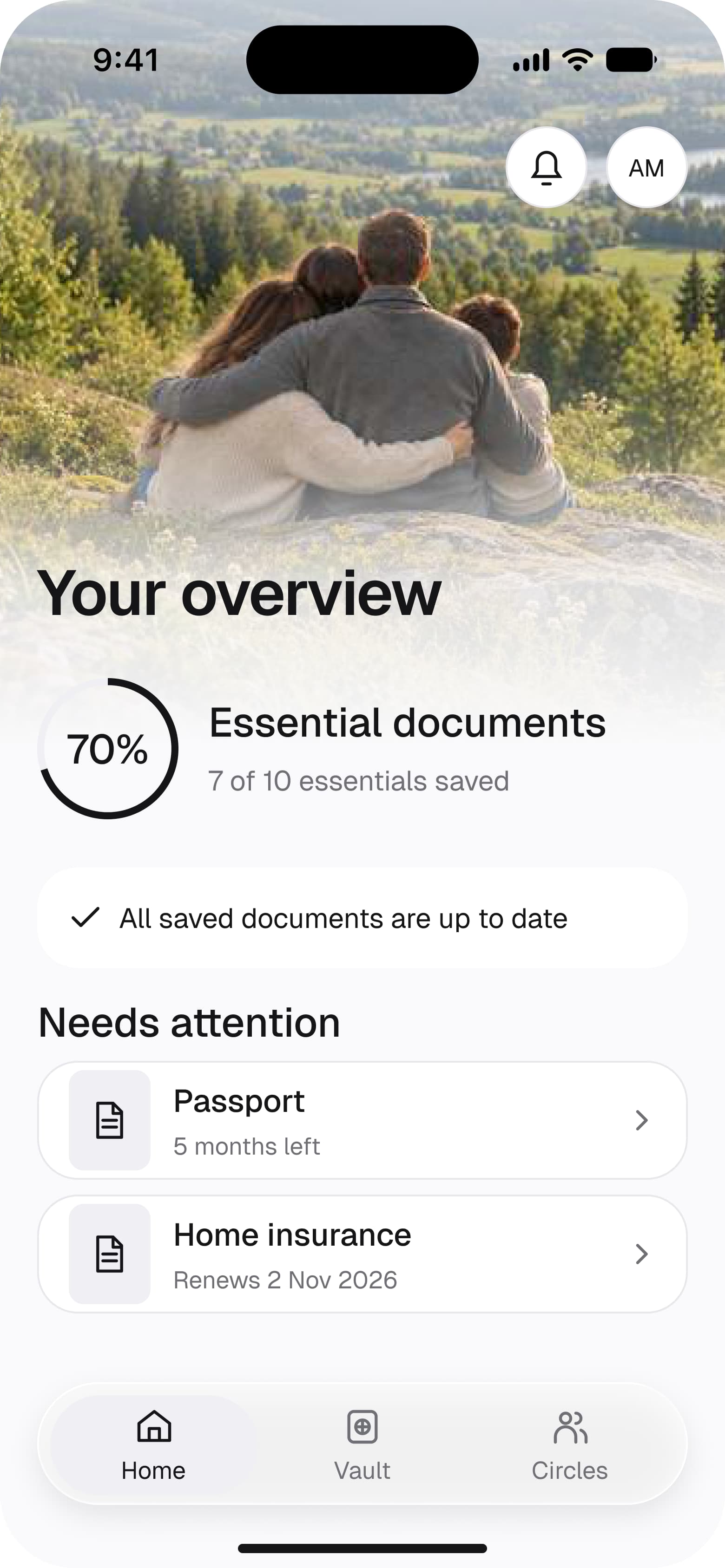
We’re building Asylia to make these small steps easier to see and maintain: gather the essentials, know what is missing, and keep important information within reach.
The app is in development. In the meantime, you can start with one useful piece of preparation, using the tools you already have.
Keep reading
One app for the important information in your life. Here is the purpose behind it, and the first things we are focusing on.
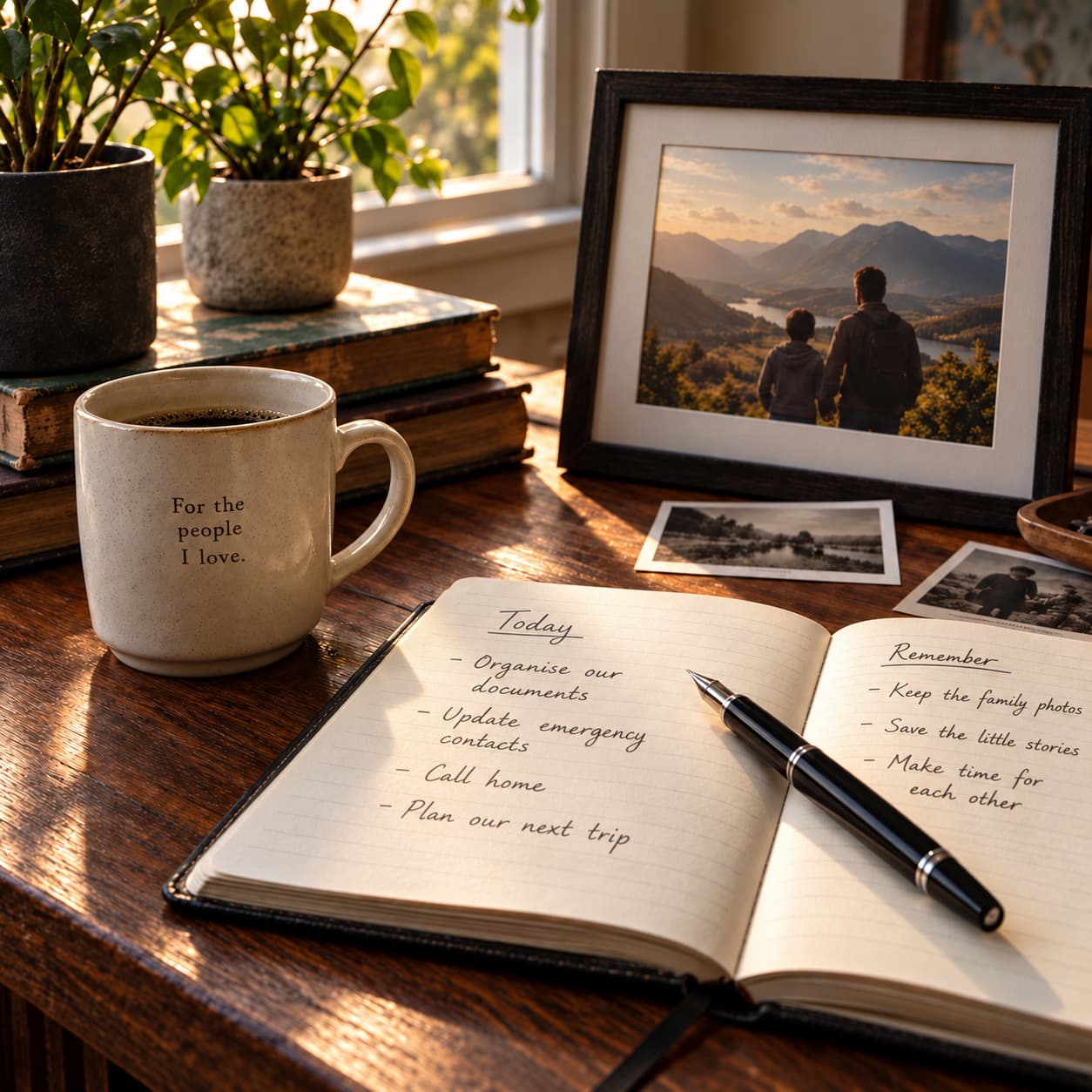
A useful conversation can start with three things: who to contact, where information is kept, and what you want to share.
The next chapter
Follow our progress and hear when Asylia is ready. We’re building for people living alone, families, and anyone caring for someone else.
We’re working toward an early version in 2027, starting in the United States.